Non-PTA vs PTA-Approved Phones: The Real Cost Comparison and the Risks
Non-PTA phones look cheaper — until they aren't. The real maths of PTA tax, 60-day grace, IMEI blocking and resale, explained for 2026 buyers.
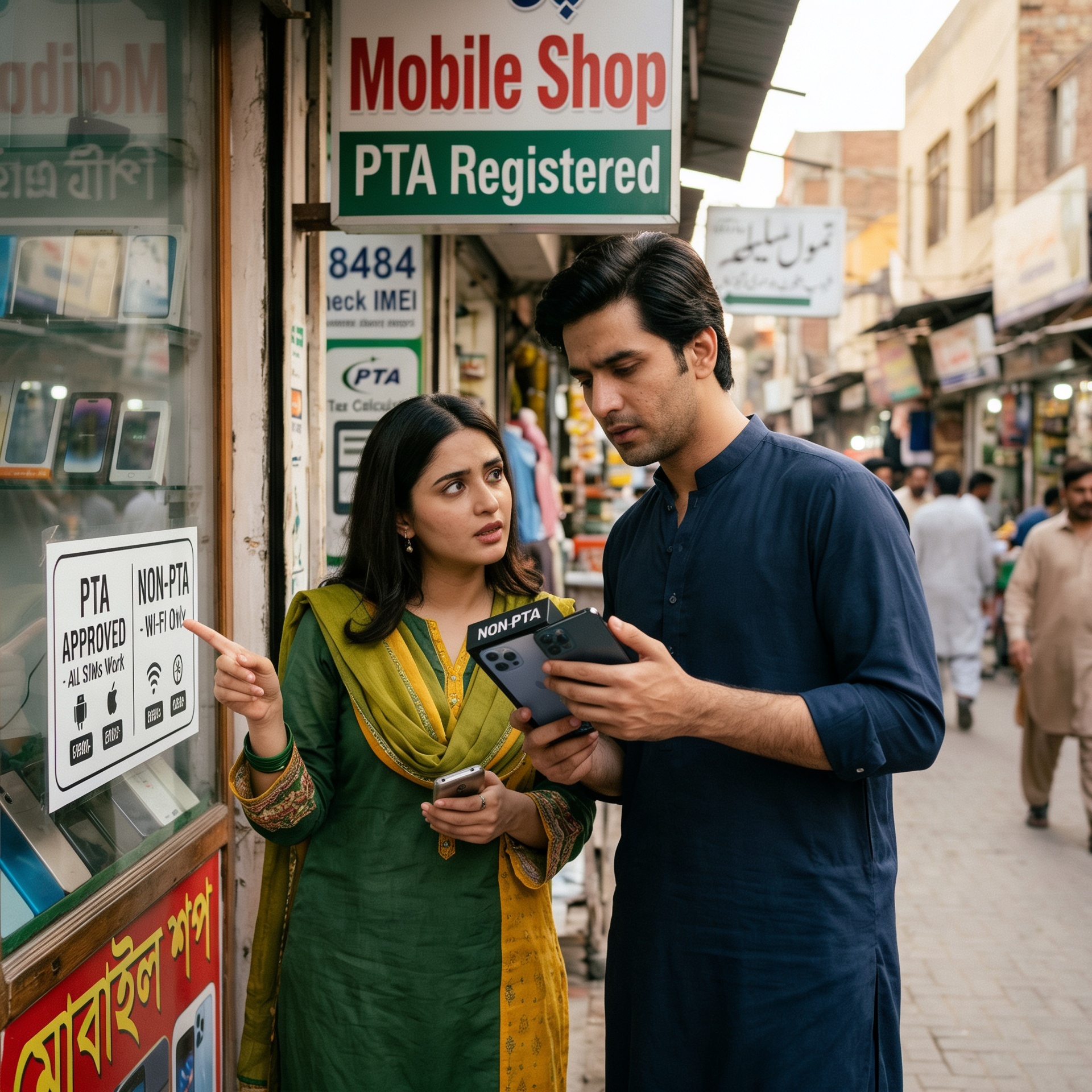
Every phone buyer in Pakistan eventually faces the same counter-side pitch: "Non-PTA hai, is liye itna sasta hai." The discount is real — often 20–40% below the PTA-approved price. But whether that discount survives contact with reality depends entirely on how you plan to use the phone. Here's the honest maths as of mid-2026.
How the System Actually Works
Pakistan's DIRBS (Device Identification, Registration and Blocking System) ties every phone's IMEI to its registration status:
- A PTA-approved phone works on all local networks (Jazz, Zong, Telenor, Ufone) indefinitely
- A non-PTA phone works on a local SIM for a limited grace period after first network use — then its IMEI is blocked for local SIMs
- Registration requires paying duty/tax that scales with the phone's value — modest on budget phones, brutal on flagships
- Passport registration (available within 60 days of an international arrival) is cheaper than CNIC registration
- Overseas Pakistanis on a visit can also use temporary registration schemes for their stay
Check your exact IMEI status any time by texting it to 8484, and estimate the registration cost for any model with our PTA tax calculator.
The Real Cost Comparison
Take a flagship listed at PKR 300,000 PTA-approved and PKR 220,000 non-PTA. The non-PTA "saving" is PKR 80,000 — but:
- If you register on CNIC: flagship tax can exceed the entire saving. Total cost often lands above the PTA-approved price. You saved nothing and did paperwork.
- If you register on passport (within 60 days of travel): the maths sometimes works, especially for mid-tier phones. This is the one genuinely rational non-PTA route.
- If you never register: you own a Wi-Fi-only device after the grace period. Fine for a spare, a kid's YouTube machine, or a dedicated camera — useless as a daily phone.
On budget phones the picture inverts: registration tax on cheap devices is low, so a non-PTA budget phone plus registration can genuinely undercut local retail. Run the numbers per model — never assume.
The Risks Beyond the Maths
- Resale value collapse. A non-PTA phone is dramatically harder to sell and fetches far less. PTA status is the first question every buyer asks — browse any set of used phone listings and watch how prices split on it.
- Grey registration scams. "CPID," "JV-approved" and patched registrations sold in markets like Hafeez Centre, Hall Road and Saddar have been reversed in past crackdowns, re-blocking IMEIs after buyers paid a premium. If the registration didn't happen through official channels against a real CNIC/passport, treat it as temporary.
- Stolen device risk. Non-PTA stock includes devices with murky origins. An IMEI check won't reveal a foreign blacklist — another reason the discount exists.
- Policy volatility. Duty rates, FED changes and grace-period rules shift with federal budgets. A calculation that worked last year may not hold — always check current rates.
When Non-PTA Actually Makes Sense
Being fair, there are legitimate cases:
- You returned from abroad recently and can register on your passport at the lower rate
- You want a Wi-Fi-only device: media tablet-style use, a backup phone, or a camera-first Pixel
- The phone is a gift from a relative abroad and passport registration is available
- You're buying a cheap secondary device where even CNIC tax is trivial
When It Never Makes Sense
- As your daily driver flagship with no passport route — CNIC tax erases the discount
- When the seller offers "PTA karwa denge" for a suspiciously small fee — that's the grey-registration trap
- When you plan to resell within a year — the resale haircut exceeds the purchase discount
The Bottom Line
Non-PTA isn't a scam or a bargain by definition — it's a variable that must be priced. Verify the IMEI at 8484, calculate the true landed cost with the tax calculator, and compare against PTA-approved listings from verified sellers on Harib shops. Whichever number is lower after tax — that's your answer.
FAQ
How long does a non-PTA phone work on a local SIM?
There's a limited grace period after the device first connects to a local network, after which the IMEI is blocked for local SIMs. The device itself keeps working on Wi-Fi indefinitely.
Is passport registration really cheaper than CNIC?
Yes, meaningfully so, but it's only available within 60 days of an international arrival and against the traveller's own passport. Rates change with government policy — check current figures before relying on them.
Can a blocked IMEI be unblocked?
Yes — by completing proper PTA registration and paying the applicable duty. Grey-market "unblocking" services are exactly the reversed-registration trap described above.
Does PTA approval matter for tablets and watches?
Devices with cellular/SIM capability fall under the same regime; Wi-Fi-only tablets, laptops and most smartwatches without SIMs don't need registration.
Comments
Loading comments…
Shopping for something like this?
Compare live prices from verified sellers across Pakistan — or post a brief and let sellers come to you.
Keep reading
 Guides
Samsung PTA Tax in Pakistan 2026: Galaxy S, A and Z, Passport vs CNIC
How PTA tax on Samsung Galaxy S26, A56, A36 and Z Fold 8 is worked out in 2026: passport vs CNIC, instalments, and when the official price beats importing.
 Guides
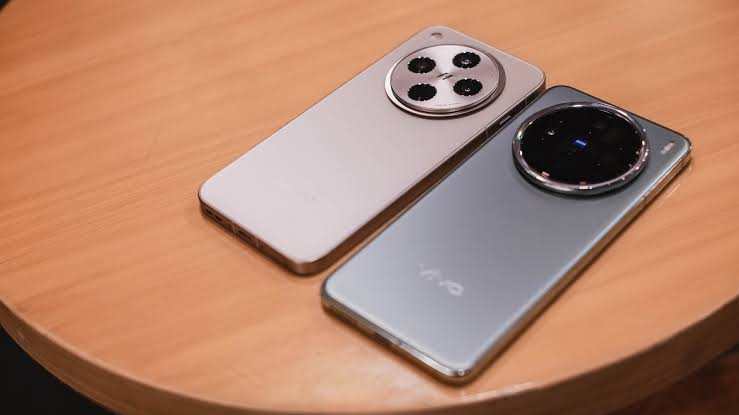
Oppo vs Vivo in Pakistan (2026): Which Brand Gives You More for Your Money, Budget by Budget
Oppo and Vivo fight for the same buyers, often in shops next door to each other. We compared their official phones at every price, from Rs 55,000 to Rs 2.8 lakh, plus warranty, service and updates. Here's who wins where.
 Guides
Vivo Mobile Prices in Pakistan (October 2026): Every Official Model, and the Best One at Each Budget
Every Vivo phone officially on sale in Pakistan, from the Rs 39,999 Y05e to the Rs 2.8 lakh X300 FE, with official prices for every variant, the hidden price rises, and the one smart swap most buyers miss.